The Capsule Wardrobe Formula: 25 Pieces, Endless Outfits
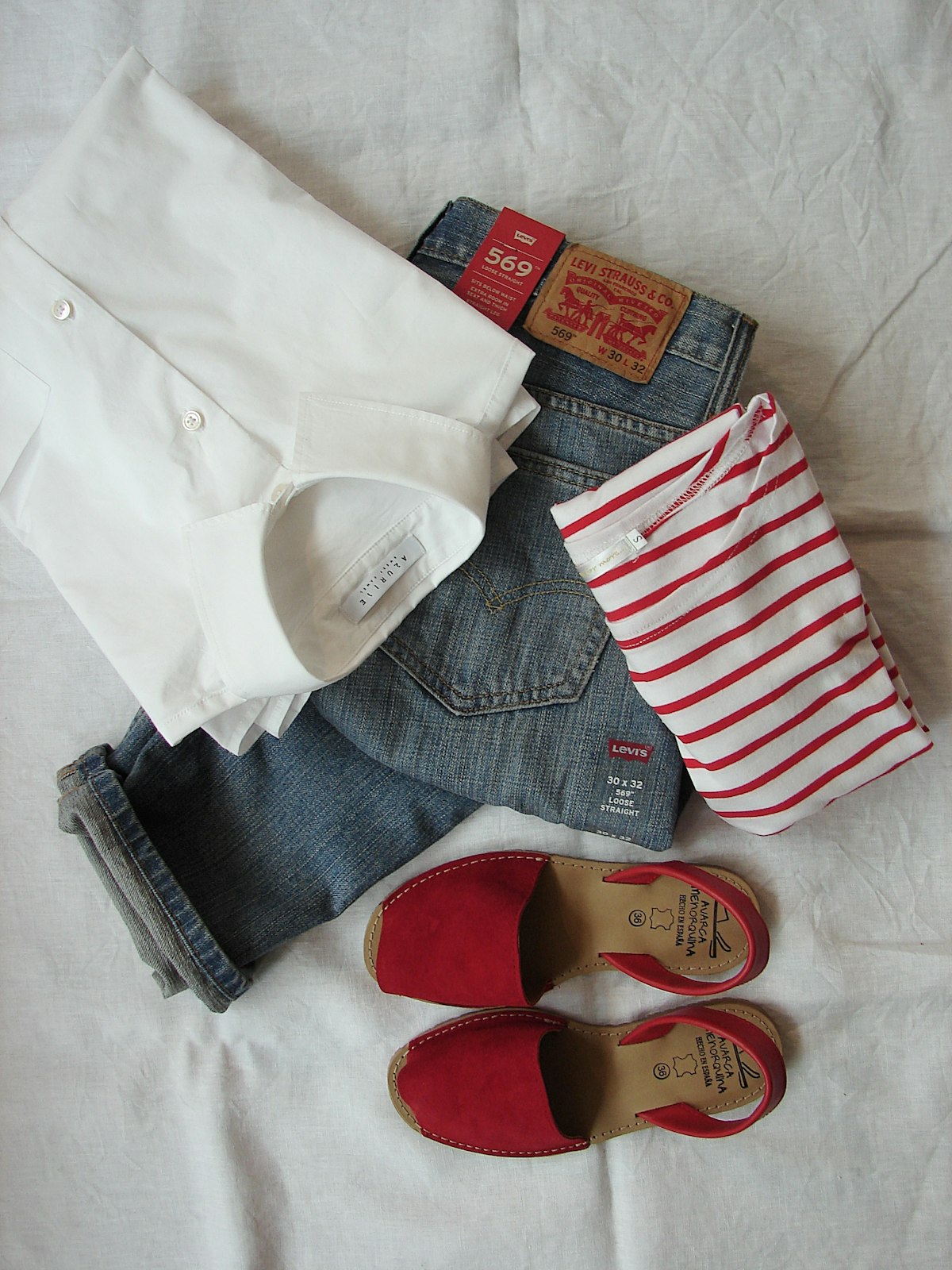
A capsule wardrobe isn’t about owning less for its own sake. It’s about owning pieces that all talk to each other — so a small number creates a surprisingly large number of outfits.
The math that makes it work
If every top works with every bottom, 9 tops × 5 bottoms is already 45 combinations — before layers, dresses, and shoes. The secret isn’t quantity. It’s a tight palette.
The 25-piece formula
- 9 tops — tees, fine knits, one or two shirts
- 5 bottoms — trousers, denim, a skirt
- 3 layers — blazer, cardigan, a coat
- 2 dresses — one day, one dressed-up
- 4 shoes — flat, sneaker, boot, something elevated
- 2 bags — everyday tote, smaller evening
Choose two or three colors
Pick one base neutral (black, navy, camel, or grey), one supporting neutral, and one accent that flatters you. When everything lives in that range, getting dressed becomes assembling, not deciding.
Build around your archetype
A Minimalist capsule and a Romantic capsule follow the same formula but look nothing alike — the fabrics, shapes, and accent color change. Not sure which is yours? Take the quiz first; it makes every capsule decision obvious.
The goal isn’t a smaller closet. It’s a closet where everything works.
Frequently asked
How many pieces are in a capsule wardrobe?
Most functional capsules land between 25 and 35 pieces, excluding underwear, activewear, and pajamas. The exact number matters less than the rule that the pieces share a palette so they mix freely.
What is the 25-piece capsule wardrobe formula?
A reliable starting split is 9 tops, 5 bottoms, 3 layering pieces, 2 dresses, 4 pairs of shoes, and 2 bags — all within two or three coordinating colors so most combinations work.
Does a capsule wardrobe save money?
Yes. By buying within a fixed palette and filling defined gaps instead of impulse-shopping, most people spend less overall and wear a far higher percentage of what they own.